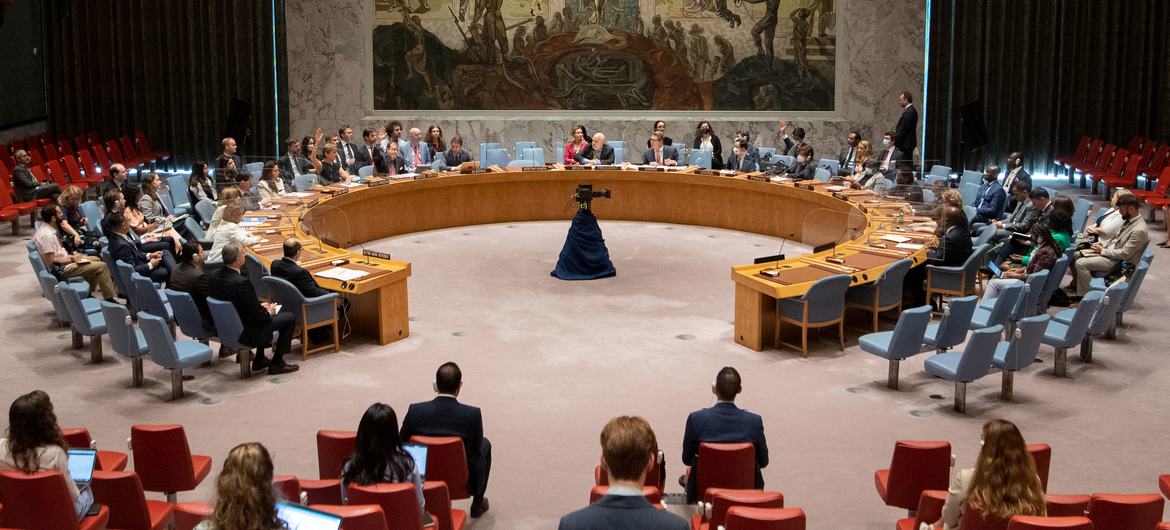
The UN Security Council discussed developments in Syria on Thursday, with talks focusing on the situation in Sweida, Israeli military activity in southern Syria, humanitarian conditions and efforts to support reconstruction and national unity.
Claudio Cordone, deputy UN special envoy for Syria, said conditions in Sweida remained concerning and stressed that repression, restrictions on freedom of expression and measures preventing students from reaching examination centers were unacceptable.
Cordone said issues concerning Sweida and the future of its Druze community should be addressed by Syrians themselves without external interference.
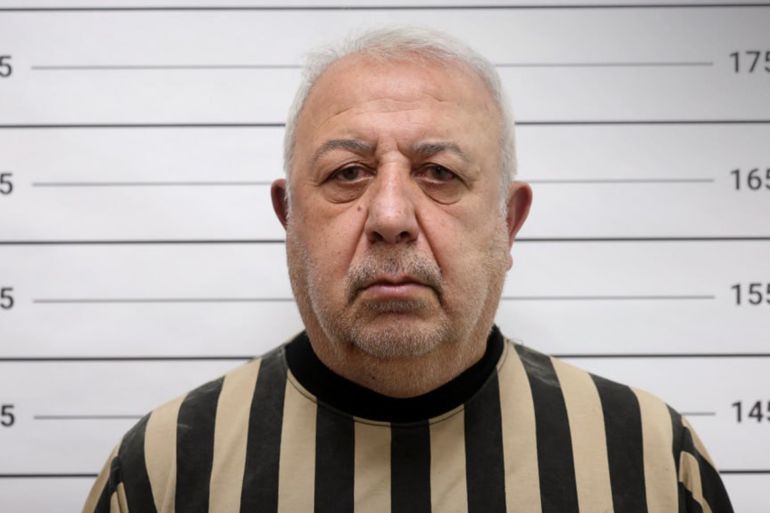
He also condemned the reported abduction and forced removal of Sweida social figure Atef Hneidi by armed men believed to be linked to the National Guard militia.
Hneidi had rejected statements linking the future of Syria’s Druze community to Israel and had publicly expressed support for Syria’s unity.
Cordone said suppressing freedom of expression could not provide a path forward for the country.
Turning to southern Syria, the UN official said Israeli military activity was continuing and described it as a violation of the 1974 Disengagement Agreement.
Syria’s permanent representative to the United Nations, Ibrahim Olabi, told the council that Syria had become an indispensable partner in efforts to ensure regional security and stability.
Olabi said Damascus was pursuing diplomatic solutions and seeking a security agreement with Israel under US mediation, while stressing that such negotiations did not amount to accepting occupation or relinquishing Syrian rights.
He accused Israel of posing a major threat to regional security and stability, citing Israeli incursions into Syrian villages and attacks on facilities inside the country.
Olabi said Damascus had chosen mediation and diplomacy in an effort to prevent further conflict and called for a new phase centered on stability and development rather than war and military escalation.
A senior UN humanitarian official also called for intensified diplomatic efforts to safeguard Syria’s security and unity.
The official said around 800,000 Syrians remained in displacement camps, while more than two million internally displaced people had returned to their homes since the end of 2024.
He stressed that lasting stability would require the inclusion of all components of Syrian society and warned that landmines continued to pose a serious threat to civilians.
The UN official also called for a gradual transition from emergency humanitarian assistance toward reconstruction and economic growth.
During the meeting, Denmark reaffirmed its support for Syria’s sovereignty, independence and territorial integrity and called on Israel to withdraw from Syrian territory and fully comply with the 1974 Disengagement Agreement.
Russia’s representative criticized Israeli Prime Minister Benjamin Netanyahu’s visit to Israeli military positions inside Syrian territory, saying the move threatened regional stability. Moscow also called for an end to Israeli violations and the withdrawal of Israeli forces from Syrian territory.
Britain’s representative said Israeli actions were fueling tensions in Syria and reaffirmed support for a political path leading to “one army, one government and one unified state.”
UN SECURITY COUNCIL DISCUSSES SWEIDA, ISRAELI VIOLATIONS AND SYRIA’S STABILITY
The UN Security Council discussed the security and humanitarian situation in Syria, focusing on tensions in Sweida, continued Israeli military activity in the south and efforts to consolidate national stability.
ByNews Desk
3 min read